
Harnessing Mangapapa's strong Renewable Energy Potential.
Why Mangapapa?
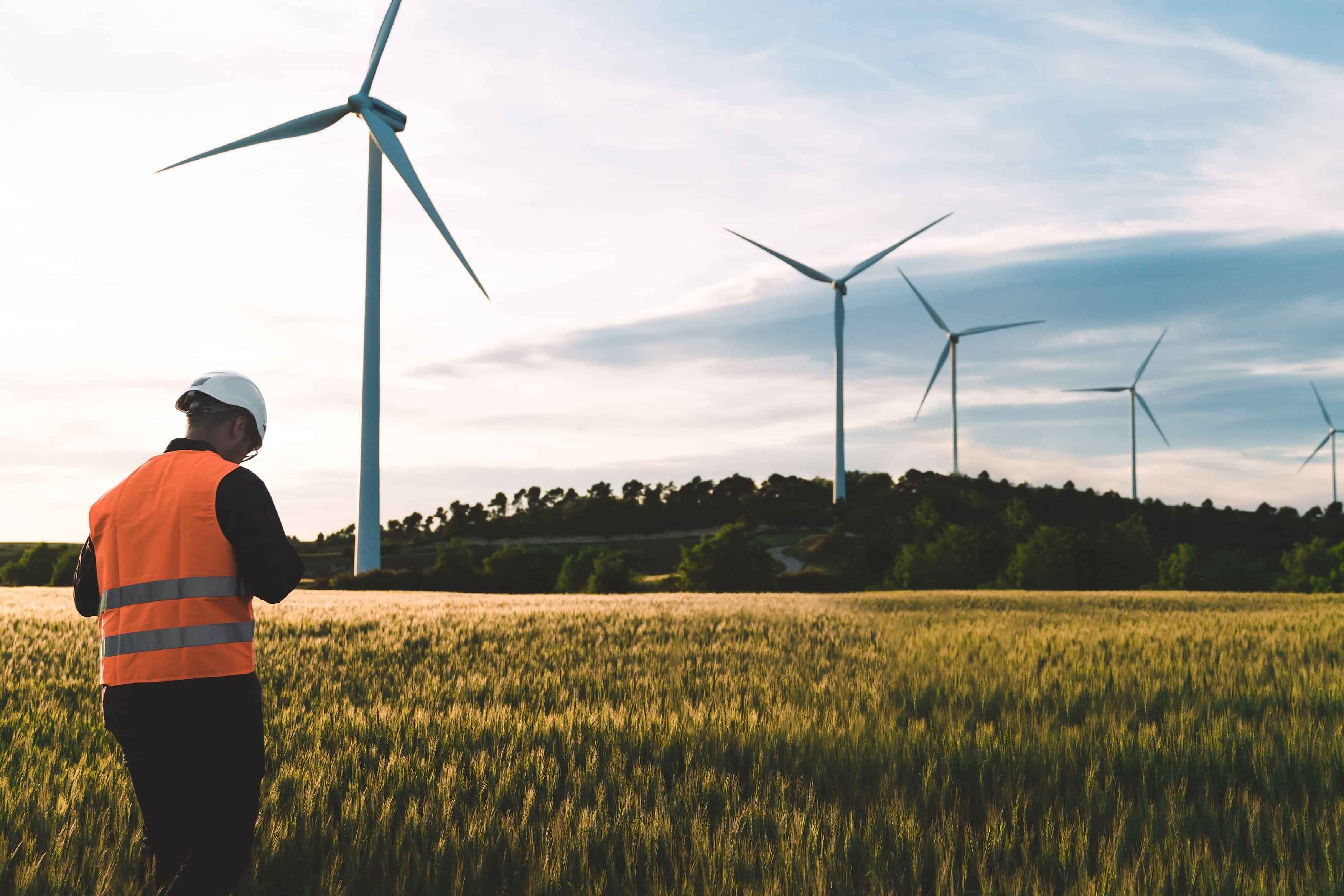
New Zealand's electricity demand is expected to grow significantly over the coming decades as the country transitions to a lower-emissions future.
Meeting this demand will require substantial investment in new renewable energy generation to support population growth, electrification of transport, and the shift away from fossil fuels.

Supporting New Zealand's Growing Renewable Energy Needs.
New Zealand's electricity demand is expected to grow significantly as the country transitions to a lower-emissions future. Meeting this demand will require new renewable energy generation to support population growth, electrification, and energy security.
Wind energy is a proven technology that complements New Zealand's hydro-dominated electricity system, helping provide reliable, affordable, and renewable electricity for future generations.
Identifying the Mamaku Range
Finding a suitable site for a utility-scale wind farm involves balancing multiple complex factors. The Mamaku Range site was identified based on three primary criteria:

Wind Resource
The site demonstrates a strong, consistent wind profile, essential for reliable generation.
Transmission Proximity
Close alignment with existing high-voltage transmission lines reduces the need for extensive new grid infrastructure.

Land Suitability
The topography and existing land uses allow for coexistence with operational requirements.

Understanding the Mangapapa Wind Farm Project.
What is a Wind Farm?
A wind farm is a large collection of turbines that capture wind energy with their blades. When wind causes the blades to spin, an electrical generator within the turbine produces electricity which is then transferred into the national power grid networks, which distribute electricity to homes and businesses across Aotearoa New Zealand.
What are the benefits of a Wind Farm?
By harnessing the energy of the naturally occurring wind, wind farms are one of the cleanest ways to generate electricity, and is the lowest cost source of large-scale renewable energy.
Wind generation currently represents about 6% of Aotearoa New Zealand’s overall electricity generation, but in order to meet our goals for a thriving, low-emissions and climate-resilient future, we need to build more of it.
Key benefits include:
No greenhouse gases are emitted from the generation of electricity using wind
Clean generation means that emissions generated during a turbine’s manufacture, installation, operation, maintenance and decommissioning, are typically offset within the wind farm’s first year of operation
There are limited environmental impacts from the construction of a wind farm when compared with other forms of generation, such as hydro
How will communities be involved in decision making?
We are committed to meaningful engagement with the local community throughout all stages of the wind farm project’s life. We engage with local council, landowners, neighbours and local communities as early as possible in the project to make sure we are keeping people informed and involved in the planning and development from the start.
What Benefits will it bring to local communities?
The planning, development and operation of wind farms can bring a number of benefits to local communities, including employment opportunities, boosts to the local economy, investment in community initiatives and assured income for landowners.
Who will operate the Wind Farm?
The wind farm will be owned and operated by Mamaku Renewables which means we will have a long-term presence and a strong interest in the local community.
Will the Wind Farm make noise?
Wind turbines do create some noise, which is described as a cyclic whoosing or swishing sound when in operation. Noise levels vary depending on the lay of the land, the location of the person hearing the sound, and the speed and direction of the wind.
During the project development phase, comprehensive noise studies will be undertaken to ensure that noise will not negatively impact on the local community. Our resource consent to operate the wind farm will have strict noise requirements for us to meet, and these will be regularly monitored to ensure we are complying with our consent conditions.
How will the electricity be transferred to the grid?
Wind farms use overhead transmission lines to transfer electricity from the on-site substation to the national grid. The size and design of the poles that support the lines will depend on the natural landscape topography and vegetation, size of the wind farm, voltage of the electricity being generated, and the distance from the wind farm to the national grid entry point. The route that the transmission lines take will be determined as part of the development phase of the project in consultation with landowners, with consideration given to potential environmental, safety and social impacts the route may have.


